Area Snippets!
"Boneyard Hollow”
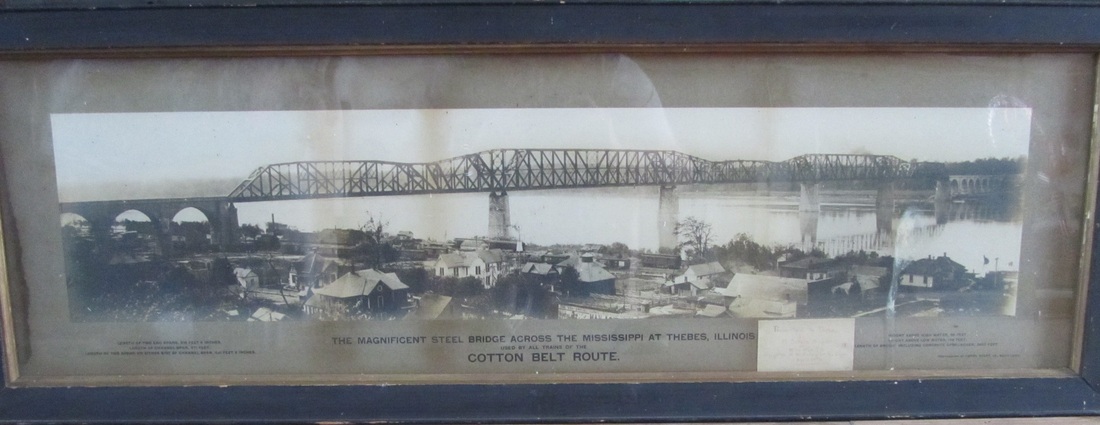
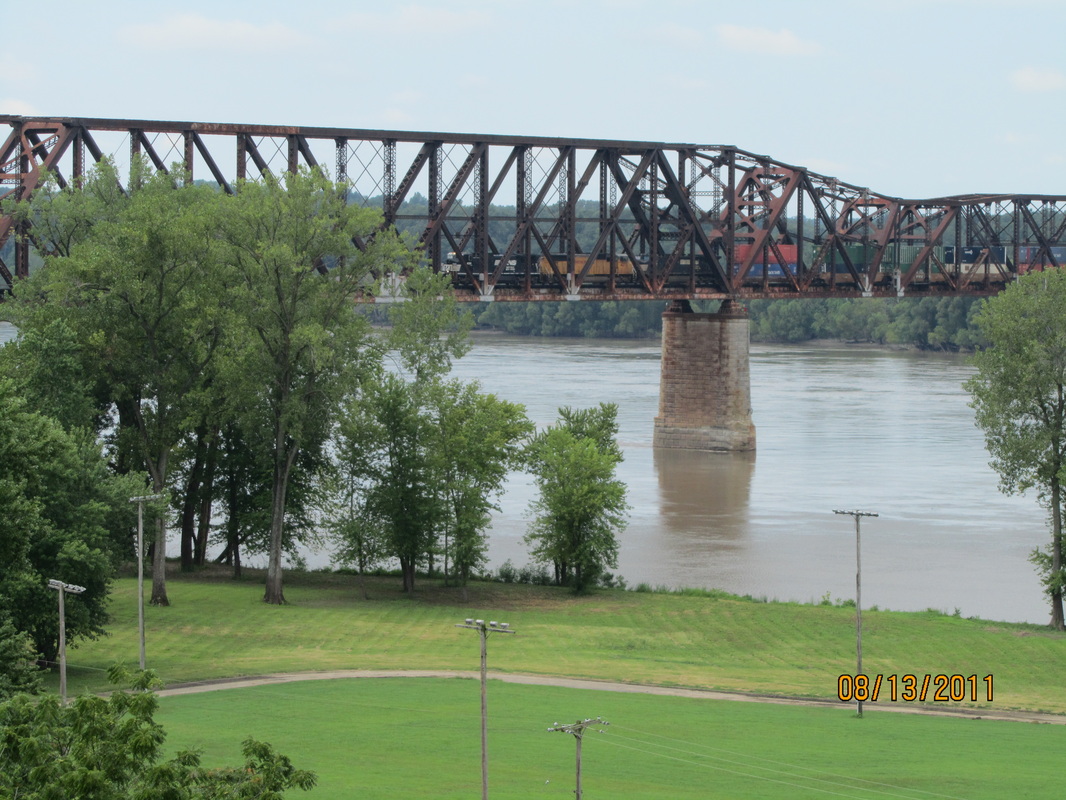
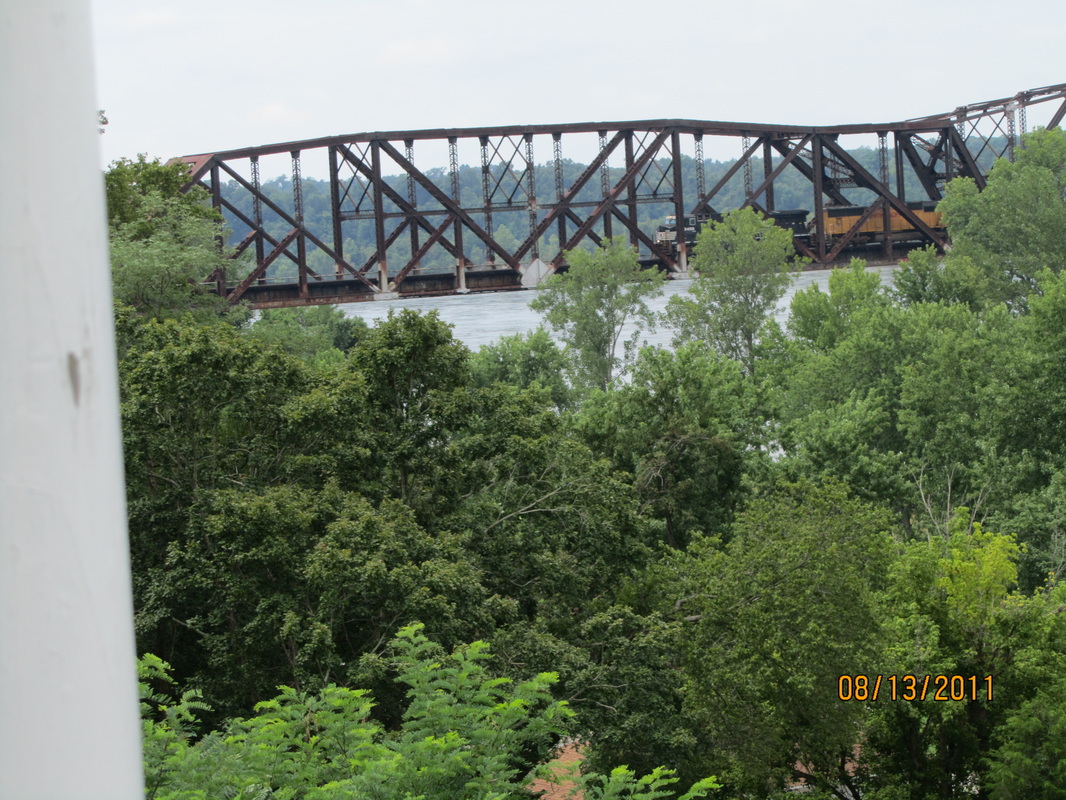
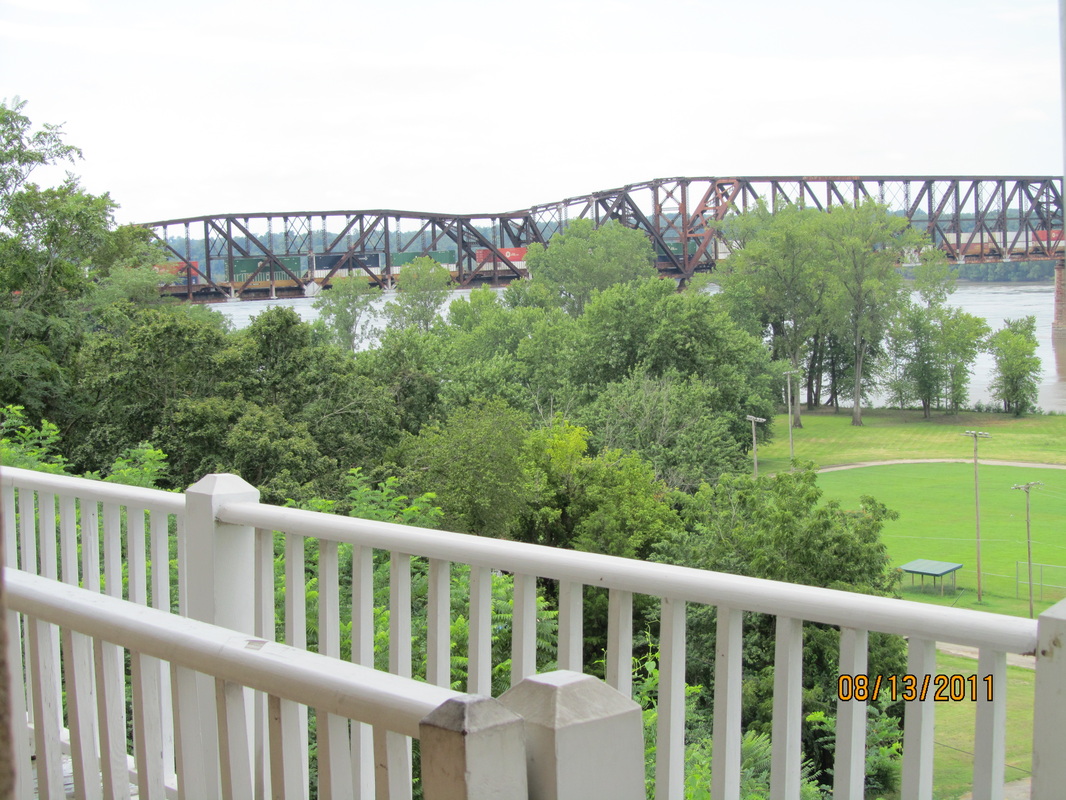
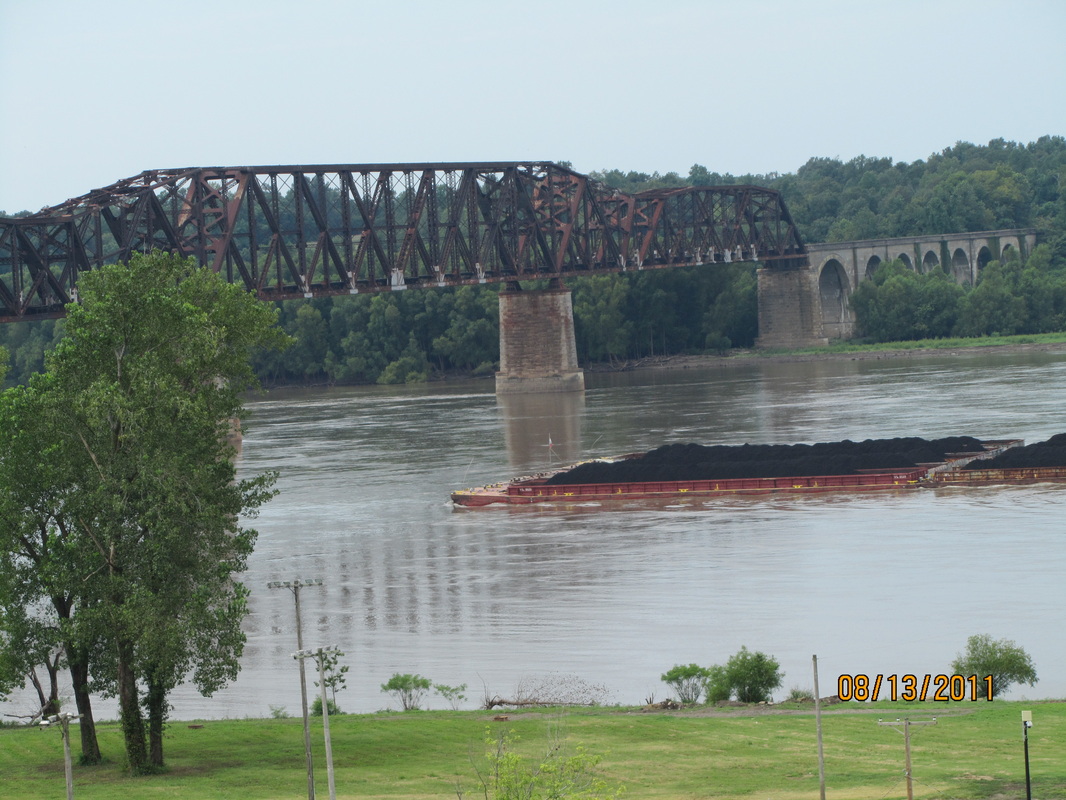
The Union Pacific railroad tracks enter Thebes from the Northeast, and bend to the West before crossing the Mississippi River over the historic Thebes Bridge. That curve, located In Thebes Southeastern corner, used to be one leg of a delta, which joined the existing track to the line which ran southward along the Mississippi River toward Olive Branch and, eventually, to Cairo. That line, which no longer exists, made a long, sweeping curve from West-to-East line of the bridge, clockwise for trains entering from Missouri, to begin its southward journey across Orchard Creek at Rock Spring. Near the centre of that sweeping curve lies Boneyard Hollow. The outline of the delta and of the track can still be traced in aerial photographs of the region. The concrete piers which once supported the bridges across Orchard Creek remain at Rock Spring, usually covered in graffiti.
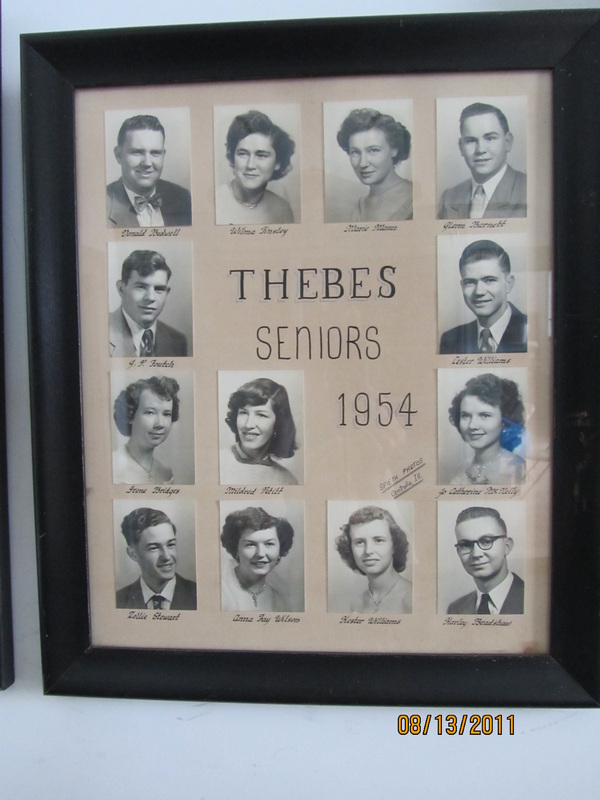
Jo Catherine McNelly Smith, who grew up in Boneyard Hollow is my primary source for information on its history. Few of its former residents can be found in the Thebes area, though some have visited the court house in the past couple of years and related little snippets of information. Perhaps some will see this post and offer a bit more insight regard its past.
Boneyard Hollow (Or “Holler”, in the local tongue) cannot be found on any modern maps that I have discovered. Nor does it appear on the older maps. The road to it is gated, as it is on private land. There is, I have often heard, a cemetery up there. This unnamed cemetery does not appear on any maps nor online cemetery listings.
How Boneyard Hollow got its name is not entirely clear. I have heard three explanations from visitors to the Court House. The first, championed by Jo Catherine, was that horse thieves brought stolen horses there, and the hollow got its name from the bones of those horses. Another, offered to us by Bill Caldwell, was that there was a slaughterhouse there at one time (perhaps slaughtering stolen horses?), and the discarded bones from the slaughterhouse gave it the name. The third, shared by a visitor the court house, whose name I do not recall but who claimed familiarity with Boneyard Hollow, was that when the land was cleared for homesteads, bones probably belonging to Native Americans were found buried there.
Joe Catherine tells me there were once as many as nine families living there, though no traces of them remain other than a handful of graves in the cemetery.
There were no stores no other facilities in the hollow, from all reports I’ve herd. Everyone I’ve met who had any recollection of it mentioned walking from Boneyard Holler to Thebes for shopping, entertainment, and schooling. None mentioned of their riding into town on horses, stolen or otherwise.
If anyone has any photos, recollections, or other information regarding Boneyard Hollow, we would love to hear from you."
The Union Pacific railroad tracks enter Thebes from the Northeast, and bend to the West before crossing the Mississippi River over the historic Thebes Bridge. That curve, located In Thebes Southeastern corner, used to be one leg of a delta, which joined the existing track to the line which ran southward along the Mississippi River toward Olive Branch and, eventually, to Cairo. That line, which no longer exists, made a long, sweeping curve from West-to-East line of the bridge, clockwise for trains entering from Missouri, to begin its southward journey across Orchard Creek at Rock Spring. Near the centre of that sweeping curve lies Boneyard Hollow. The outline of the delta and of the track can still be traced in aerial photographs of the region. The concrete piers which once supported the bridges across Orchard Creek remain at Rock Spring, usually covered in graffiti.
Jo Catherine McNelly Smith, who grew up in Boneyard Hollow is my primary source for information on its history. Few of its former residents can be found in the Thebes area, though some have visited the court house in the past couple of years and related little snippets of information. Perhaps some will see this post and offer a bit more insight regard its past.
Boneyard Hollow (Or “Holler”, in the local tongue) cannot be found on any modern maps that I have discovered. Nor does it appear on the older maps. The road to it is gated, as it is on private land. There is, I have often heard, a cemetery up there. This unnamed cemetery does not appear on any maps nor online cemetery listings.
How Boneyard Hollow got its name is not entirely clear. I have heard three explanations from visitors to the Court House. The first, championed by Jo Catherine, was that horse thieves brought stolen horses there, and the hollow got its name from the bones of those horses. Another, offered to us by Bill Caldwell, was that there was a slaughterhouse there at one time (perhaps slaughtering stolen horses?), and the discarded bones from the slaughterhouse gave it the name. The third, shared by a visitor the court house, whose name I do not recall but who claimed familiarity with Boneyard Hollow, was that when the land was cleared for homesteads, bones probably belonging to Native Americans were found buried there.
Joe Catherine tells me there were once as many as nine families living there, though no traces of them remain other than a handful of graves in the cemetery.
There were no stores no other facilities in the hollow, from all reports I’ve herd. Everyone I’ve met who had any recollection of it mentioned walking from Boneyard Holler to Thebes for shopping, entertainment, and schooling. None mentioned of their riding into town on horses, stolen or otherwise.
If anyone has any photos, recollections, or other information regarding Boneyard Hollow, we would love to hear from you."
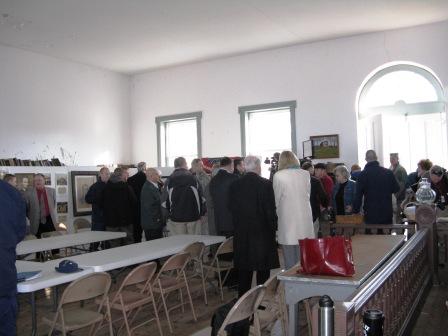
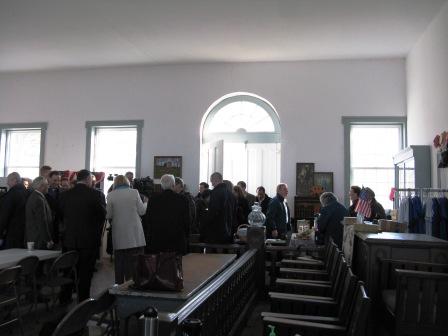
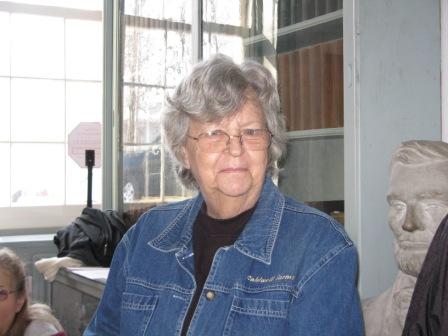
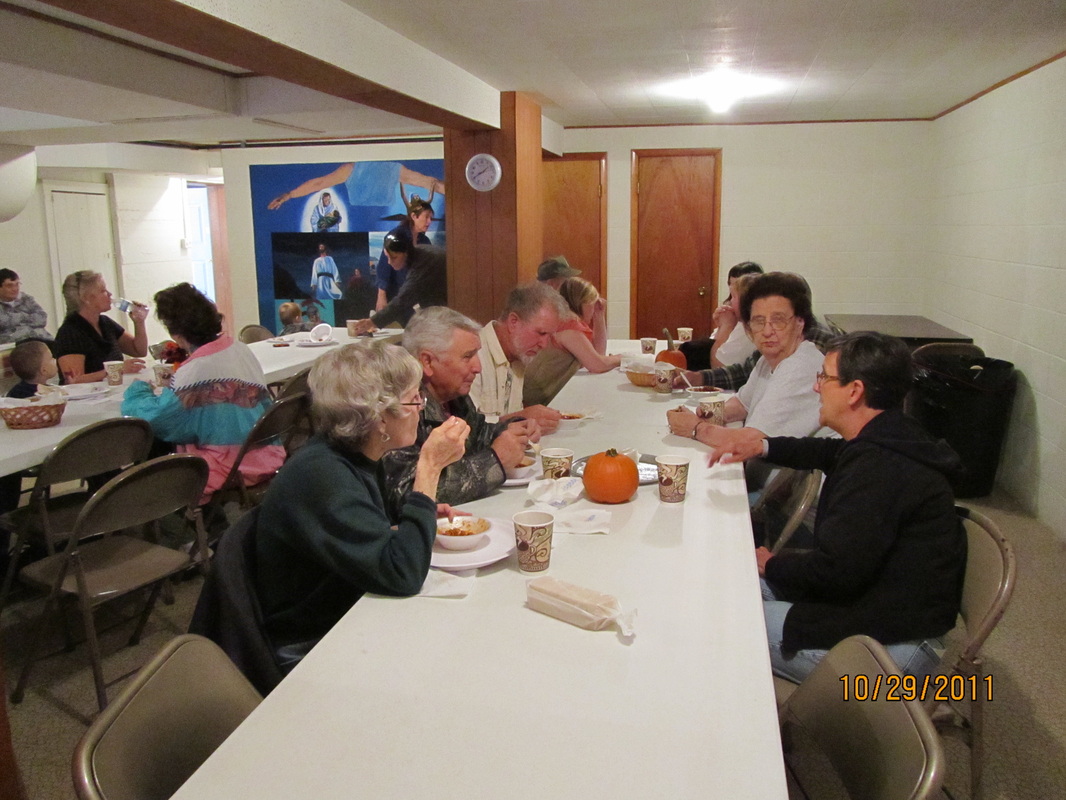
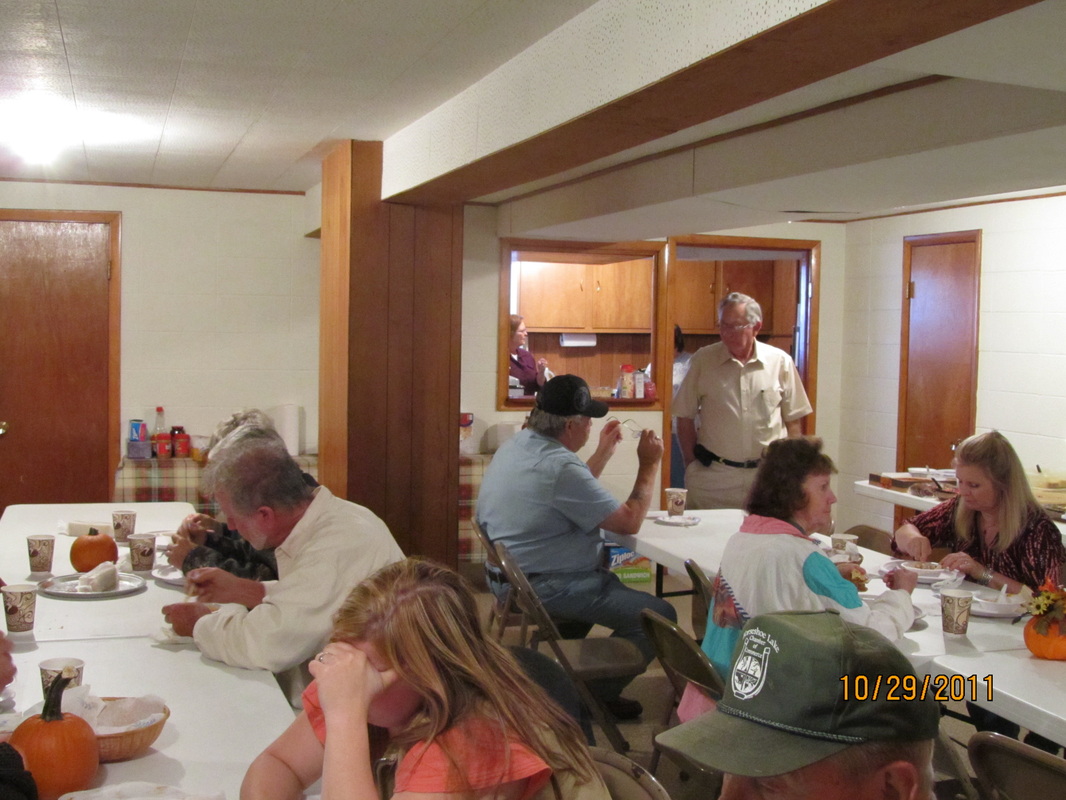
Jo Catherine McNelly Smith and Shapley Hunter discuss Boneyard Holler
Rock Springs - Thebes, Illinois
2024 Cemetery Walk: Ghosts of the Past
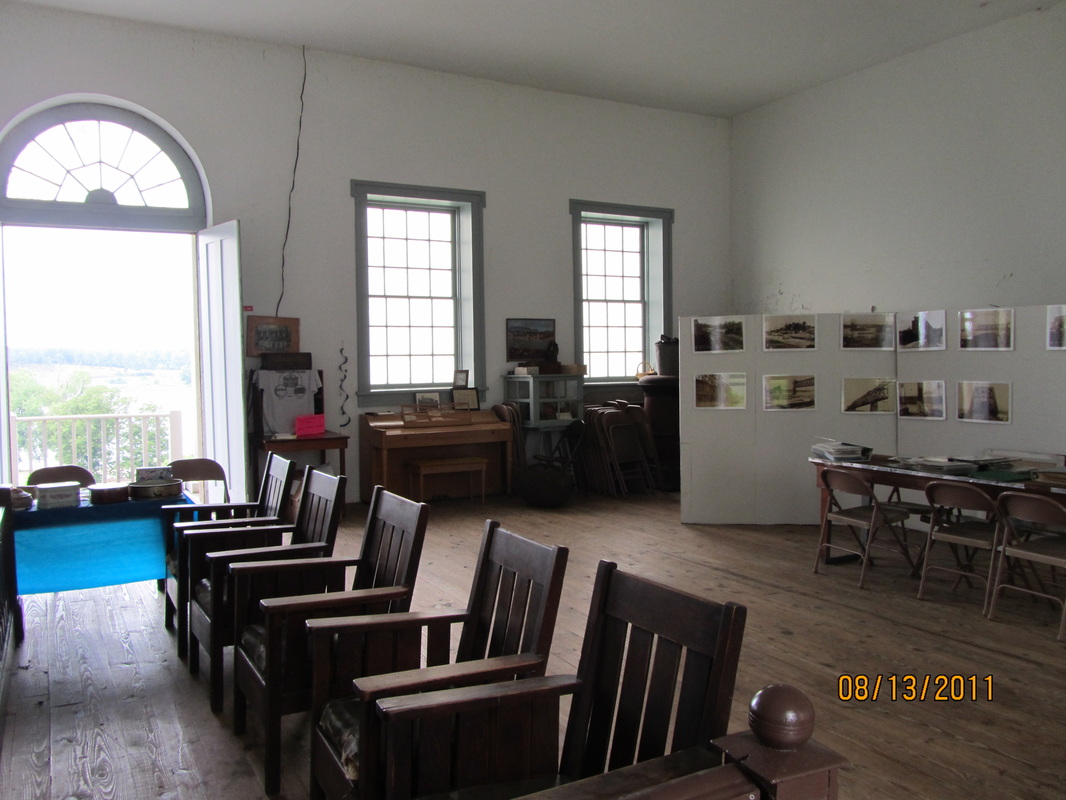
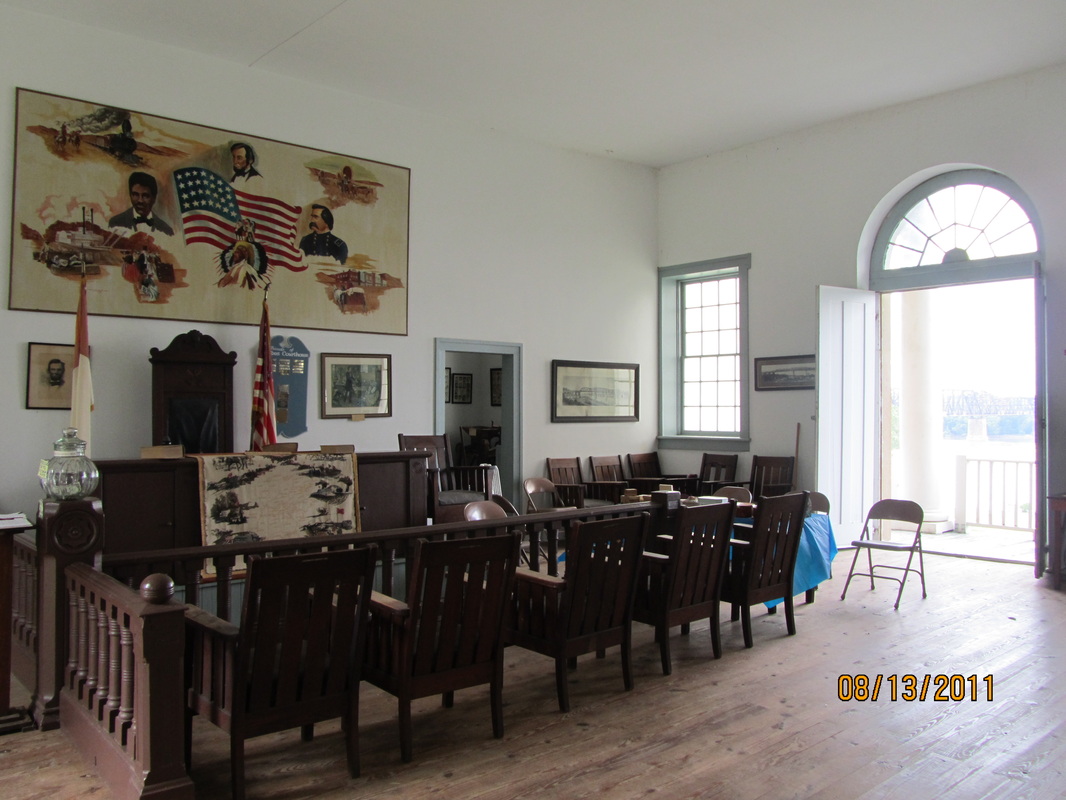
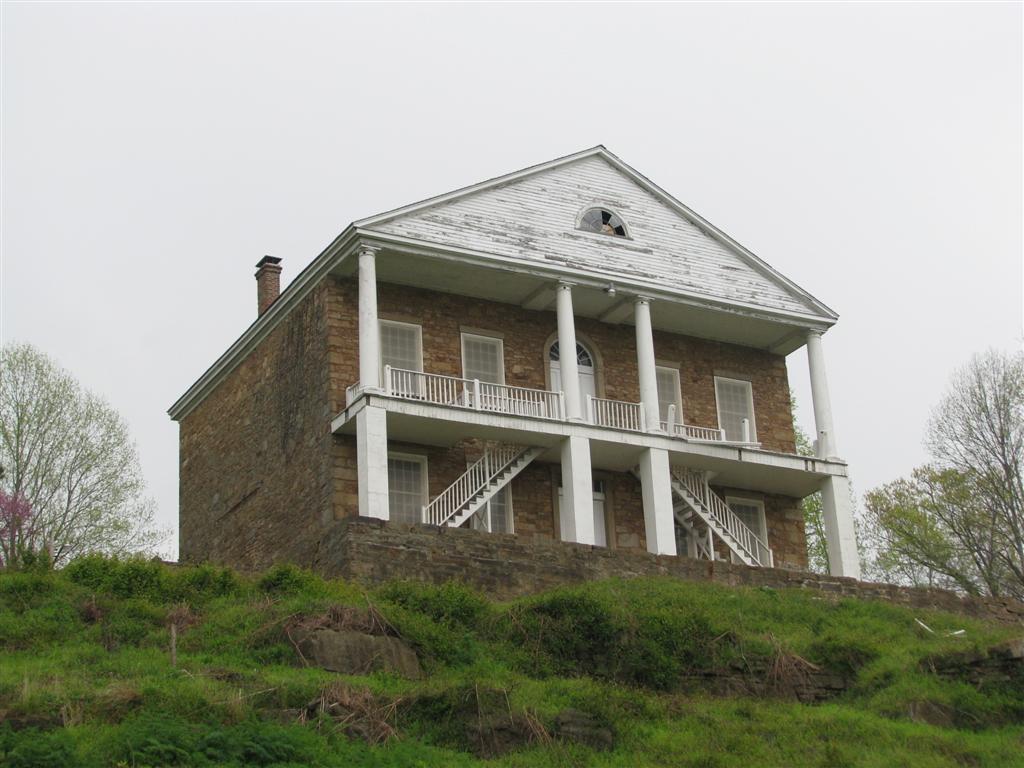
As you can see, in 2014 the courthouse was in need of paint and repairs. The Historical Society is working to acquire funding for building maintenance.
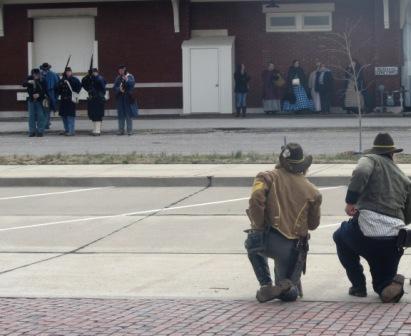
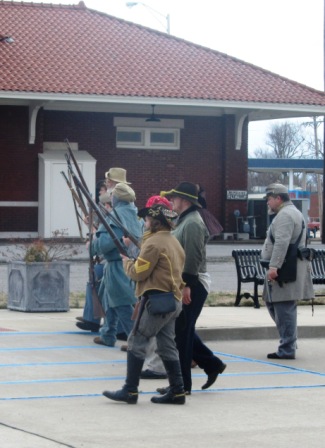
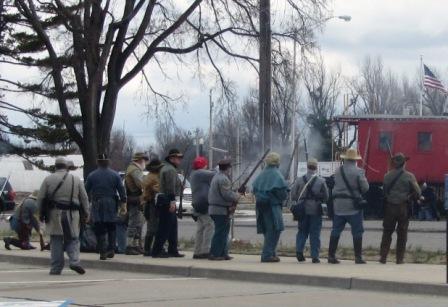
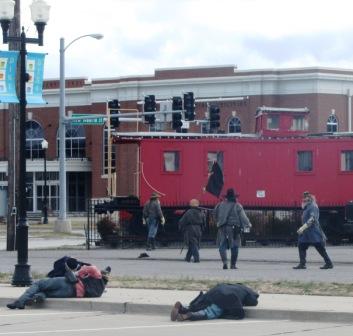
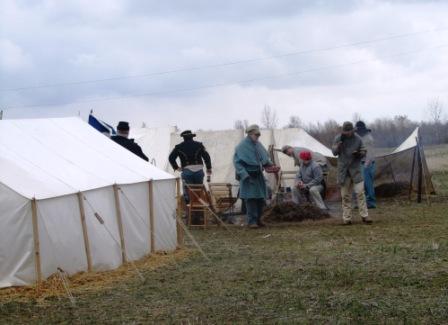
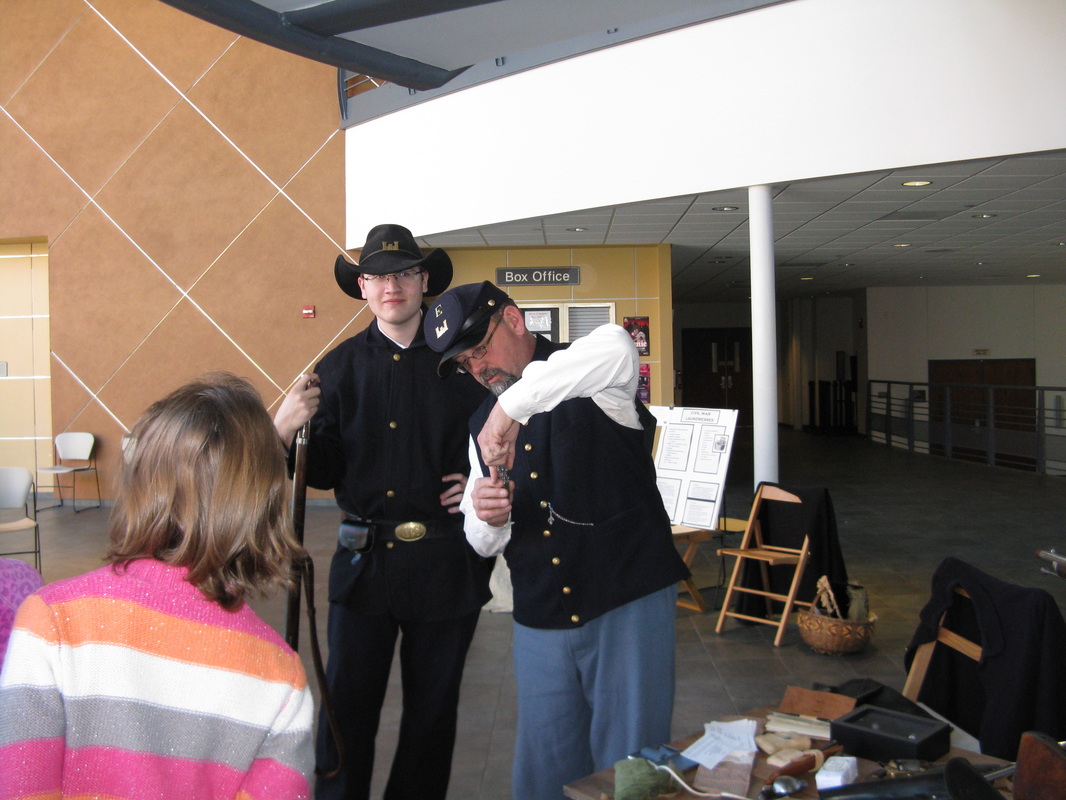
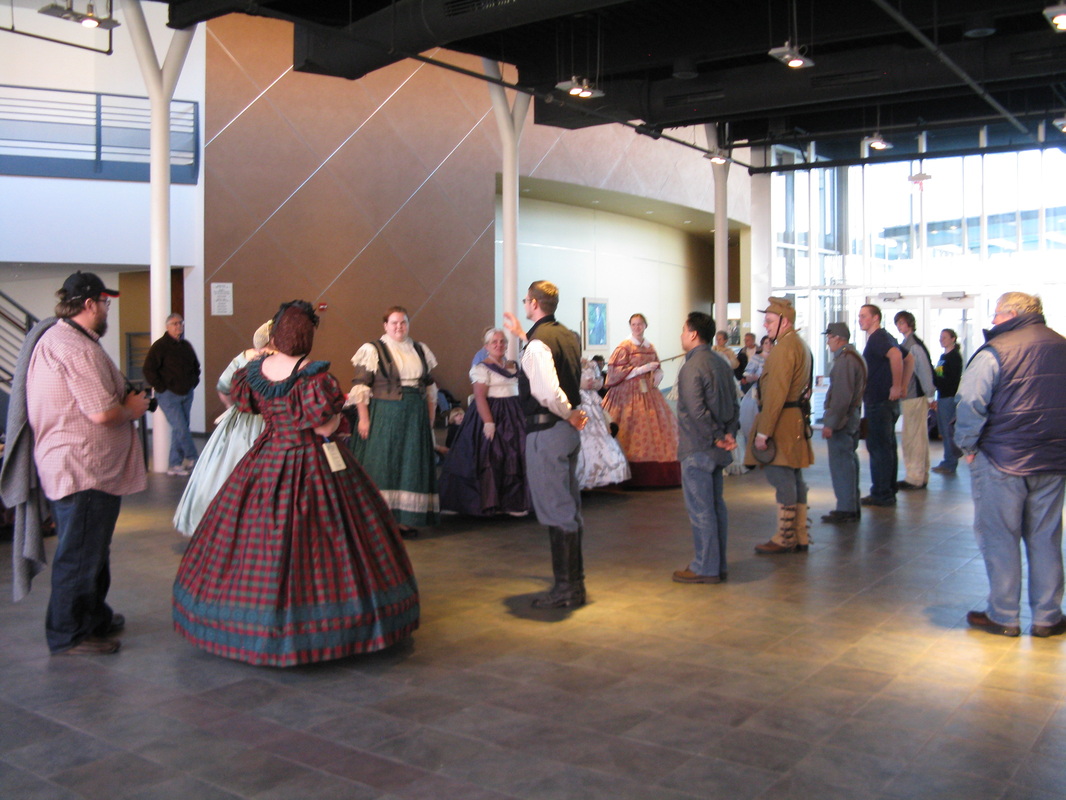
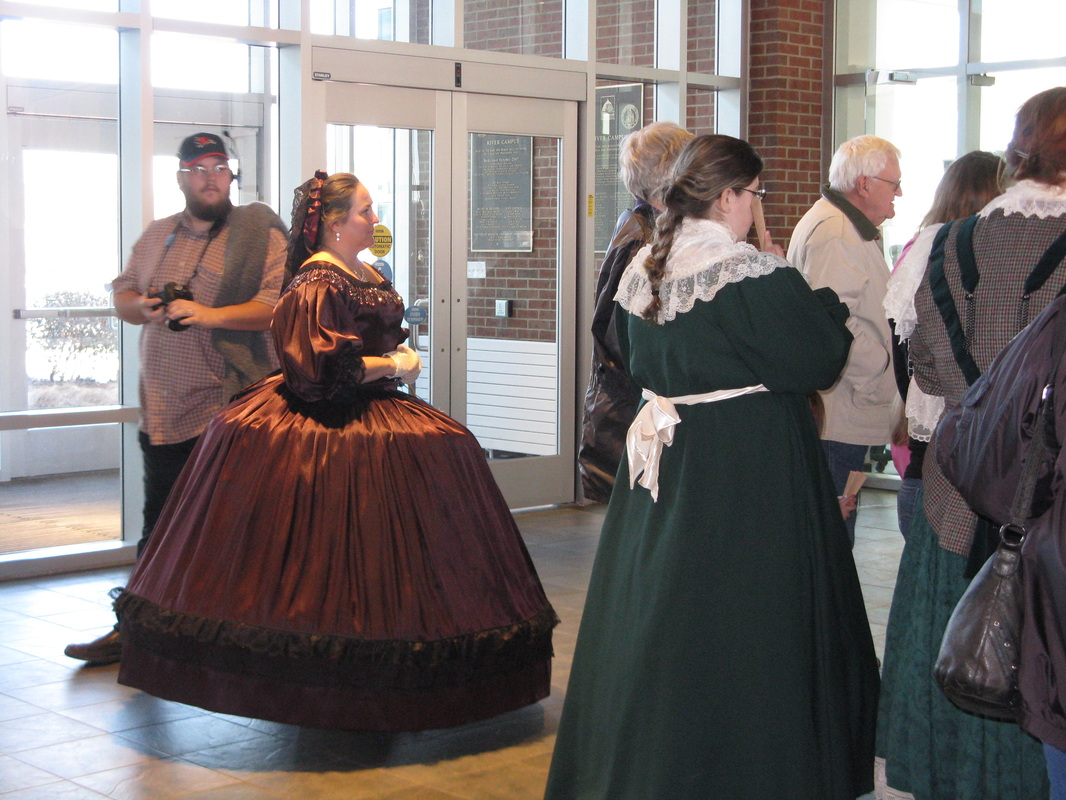
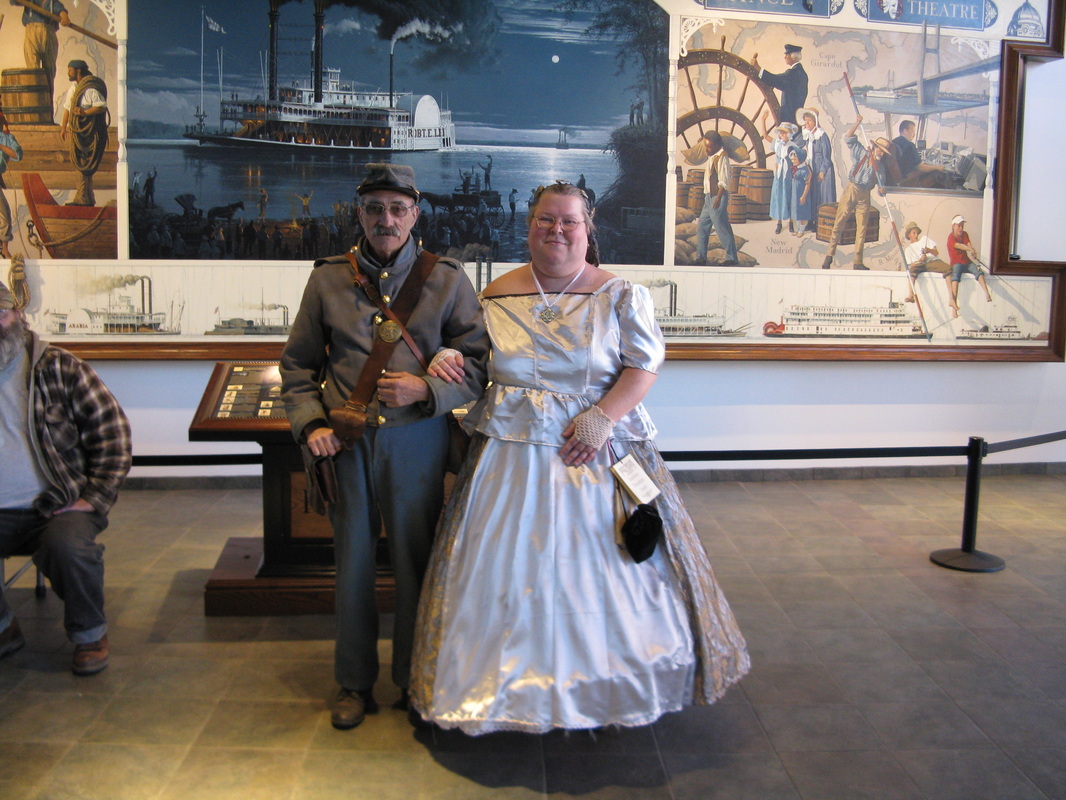
Sikeston, Missouri Reenactment: Battle of Sand Ridge
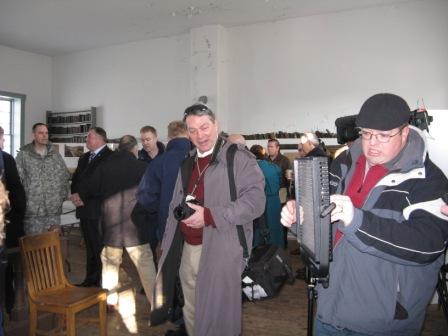
Several Thebes Historical Society members attended this event on March 2, 2013 in an effort to gain a better
understanding of how to sponsor such an event. We have tentative plans to sponsor a Civil War Living History event September 27-29, 2013. The photos below show the Raid on the Sikeston Depot and then
the Event Camp.
understanding of how to sponsor such an event. We have tentative plans to sponsor a Civil War Living History event September 27-29, 2013. The photos below show the Raid on the Sikeston Depot and then
the Event Camp.